Tracing Monetary Channel Choices to Entertainment Preferences in Handheld Incentive Systems
Written by Casey Albrecht · Jul 31, 2026
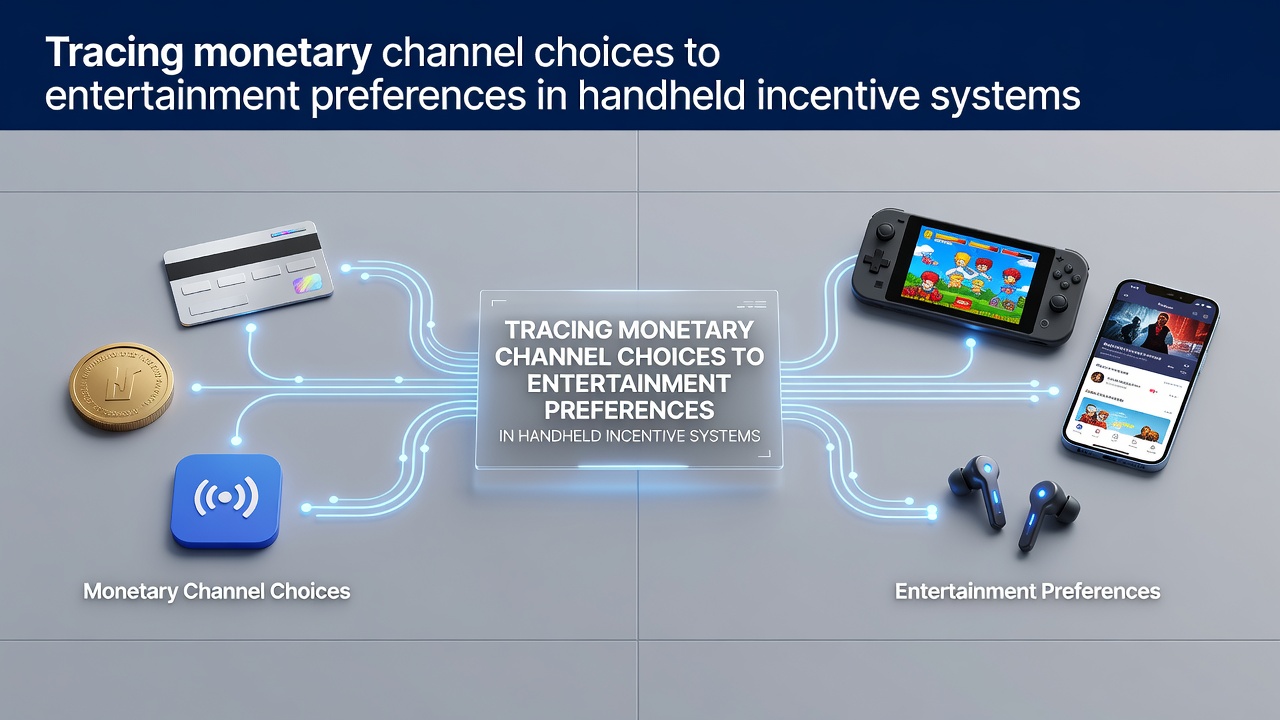
Tracing Monetary Channel Choices to Entertainment Preferences in Handheld Incentive Systems
Handheld incentive systems on mobile platforms track how users select monetary channels such as digital wallets, bank transfers, and card-based methods, then map those choices against the entertainment options they pursue in reward-driven environments. Data from industry reports shows patterns where certain payment preferences align with specific game categories like slots, video poker, or live dealer tables within loyalty structures that award points for continued play. Observers note that these connections emerge because users often repeat the same funding method across sessions, which in turn influences how incentive tiers unlock access to particular entertainment formats.
Payment Method Patterns in Mobile Environments
Users on portable devices frequently choose e-wallet solutions for quick deposits because those options integrate directly with app interfaces, allowing seamless movement between funding and gameplay without leaving the handheld screen. Studies conducted in 2025 revealed that participants who rely on instant wallet transfers tend to gravitate toward high-volume slot machines that offer frequent small wins, whereas those who prefer direct bank links more often select table games with longer session durations. This distinction appears in aggregated transaction logs collected across multiple operators during the first half of 2026, when mobile activity levels remained elevated following regulatory adjustments in several jurisdictions.
Card payments continue to serve as a baseline method for many participants, yet researchers have observed shifts toward hybrid approaches that combine cards with loyalty multipliers. Those who use credit or debit cards for initial deposits often progress through incentive layers that favor progressive jackpot titles, because the reward pathways attach bonus credits directly to card-verified accounts. In contrast, cryptocurrency channels, though less common, correlate with users who explore niche entertainment categories such as skill-based bonus rounds or tournament-style events that require larger single-session commitments.
Linking Funding Choices to Game Preferences
Handheld platforms record every monetary transaction alongside gameplay metrics, creating datasets that reveal consistent pairings between deposit types and entertainment selections. For instance, one analysis of activity logs from April through June 2026 demonstrated that users completing deposits via prepaid vouchers spent disproportionate time on classic three-reel slots, while those employing real-time bank apps allocated more minutes to multi-hand video poker variants. These correlations hold across demographic segments because the incentive algorithms prioritize repeat behavior, automatically surfacing game recommendations that match prior funding patterns.
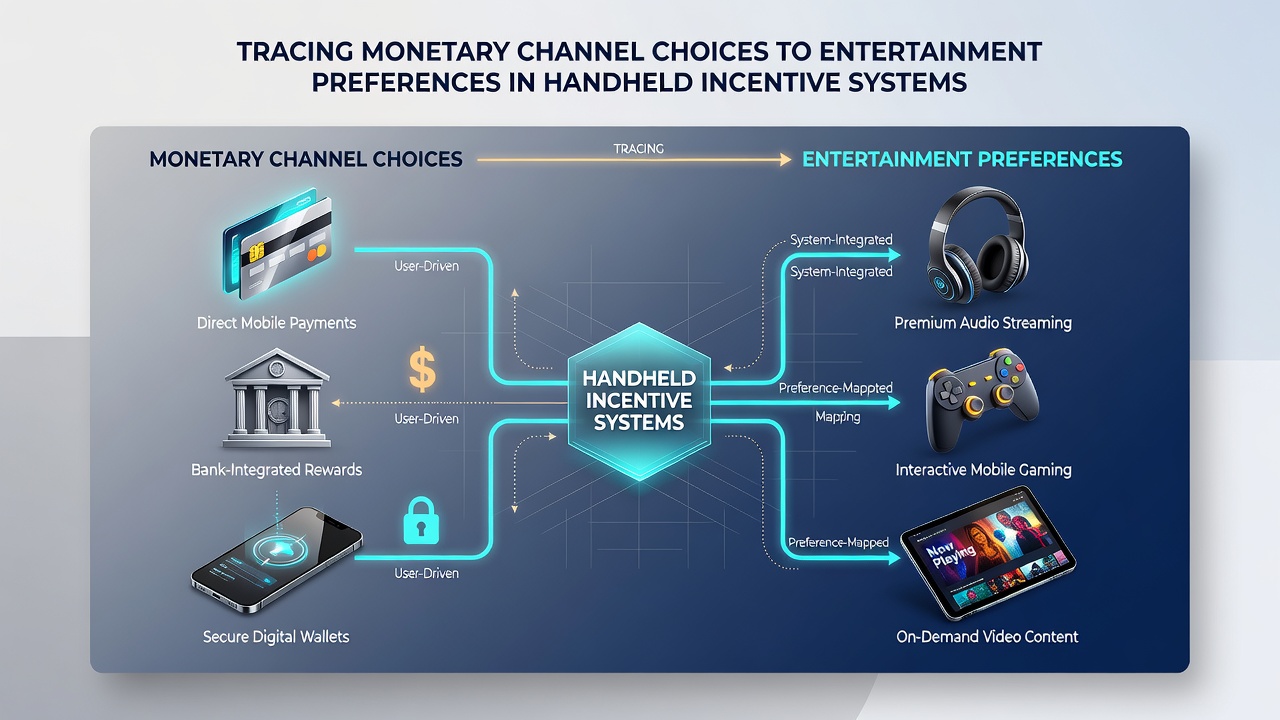
According to figures released by the American Gaming Association, mobile transaction volumes grew steadily into 2026, with wallet-based methods accounting for an increasing share of total handle. This growth coincided with expanded reward structures that tie entertainment access to payment history, meaning participants who maintain consistent channel usage unlock faster progression through tiered benefits. The reality is that operators design these systems to reinforce existing habits rather than encourage experimentation, which explains why certain game types dominate within specific payment cohorts.
Regional Data and Platform Variations
Regulatory bodies in different regions collect comparable statistics that highlight geographic differences in these monetary-entertainment linkages. Reports from the Nevada Gaming Control Board indicate that card-funded mobile sessions in that state skew toward live dealer entertainment options during evening hours, whereas data compiled by the Victorian Commission for Gambling and Liquor Regulation in Australia shows stronger wallet-to-slots associations in daytime play. Such regional variations stem from local payment infrastructure availability and the specific incentive mechanics each platform implements to comply with jurisdiction rules.
Platform architecture further shapes these outcomes because some apps embed payment selection directly into the game lobby, prompting users toward channels that align with featured entertainment. Developers adjust these prompts based on historical data, so players who previously used bank transfers receive more prominent displays for table game categories that carry layered membership perks. This feedback loop strengthens over time, producing stable preference clusters that operators monitor for compliance and revenue forecasting purposes.
Conclusion
Tracing monetary channel choices to entertainment preferences in handheld incentive systems relies on transaction and gameplay data that operators and regulators compile continuously. Patterns documented through mid-2026 demonstrate repeatable connections between funding methods and game selections, driven by how reward algorithms respond to repeated user behavior. These linkages remain consistent across platforms even as payment technologies evolve, providing measurable insights into mobile engagement dynamics without requiring subjective interpretation.