Tracing E-Payment Routes to Layered Loyalty Advances in Handheld Table and Reel Platforms
Written by Rafael Neumann · Jun 24, 2026
Tracing E-Payment Routes to Layered Loyalty Advances in Handheld Table and Reel Platforms
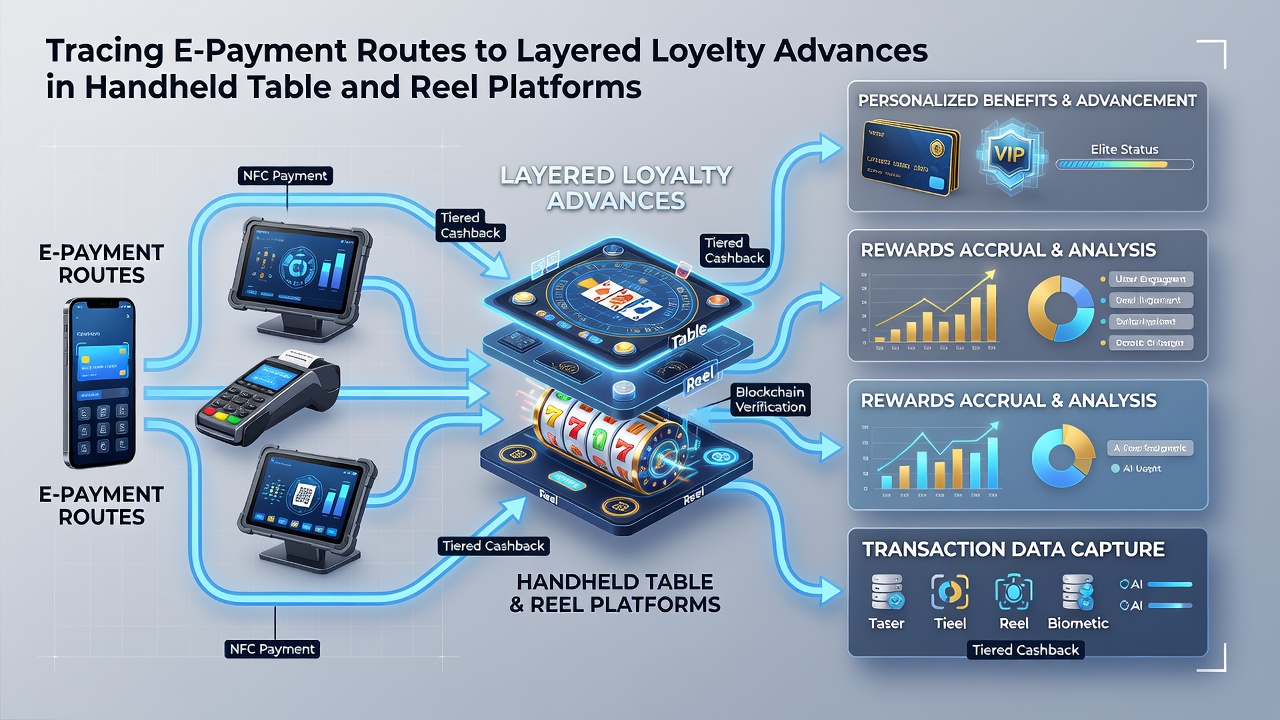
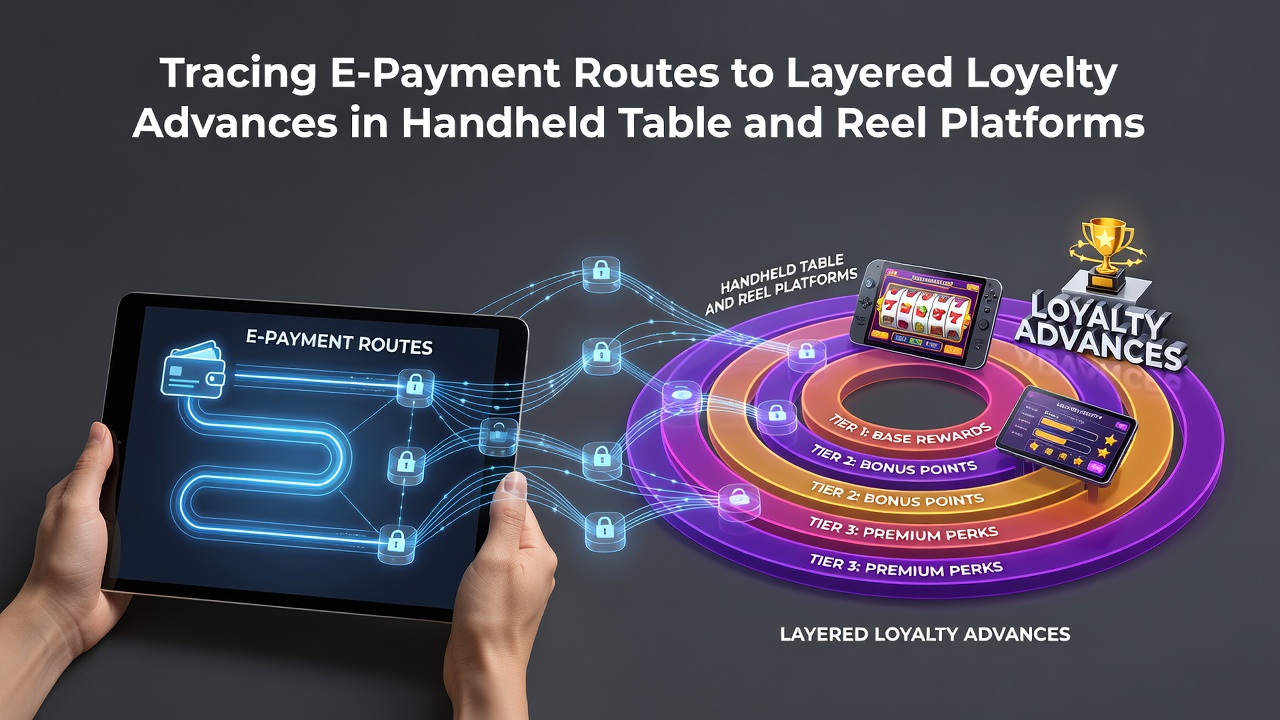
Observers note that electronic payment pathways now feed directly into tiered reward structures within portable casino applications, creating traceable connections between deposits and progressive membership benefits on both table game interfaces and reel-based slots. Data from industry reports indicate these routes operate through standardized APIs that log transaction details, player activity, and reward eligibility in real time across iOS and Android platforms. Payment processors such as digital wallets and bank transfers transmit identifiers that gaming operators map to individual accounts, allowing automated progression through loyalty levels without manual intervention. Studies from regulatory bodies show this integration accelerated after 2023 as mobile traffic surpassed 70 percent of total online gaming volume in multiple jurisdictions.Payment Infrastructure and Transaction Logging
E-wallet services route funds through secure gateways that embed unique session tokens, which handheld platforms then associate with game selections and session durations. According to figures from the Nevada Gaming Control Board, these tokens enable operators to distinguish between table game wagers and reel spins when calculating reward points, producing differentiated advancement rates for each category. Bank-linked instant transfers add another layer by providing verified source data that reduces verification delays and supports immediate loyalty credit allocation. Researchers at academic institutions tracking mobile gaming patterns have documented how these routes create audit trails spanning from initial deposit to tier upgrades, particularly during high-volume periods in early 2026.Layered Loyalty Mechanics on Portable Devices
Loyalty systems on handheld platforms typically operate across five or six tiers, with advancement triggered by cumulative spend tracked through payment confirmations. Points accrue at variable rates depending on whether users engage with live dealer tables or automated reel sequences, and operators adjust multipliers based on payment method frequency rather than volume alone. Mobile applications display real-time dashboards that reflect progress toward the next tier, incorporating data pulled directly from payment processors. Those who've examined system architectures note that reel platforms often emphasize spin volume metrics while table interfaces prioritize session length and bet size, yet both feed into unified loyalty ledgers.