Payment Pathway Preferences Directing Live Dealer Session Strategies Among App Users Seeking Elevated Membership Levels
Written by Cameron Wolf · Jun 19, 2026
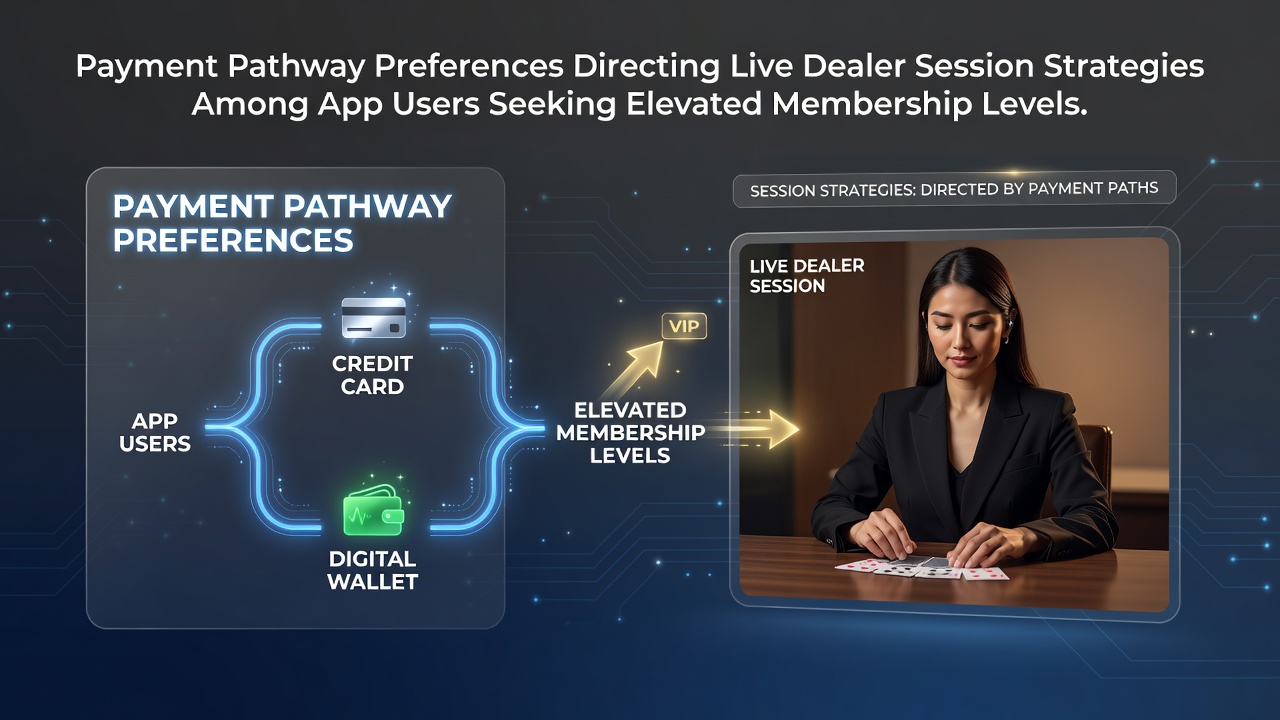
Payment Pathway Preferences Directing Live Dealer Session Strategies Among App Users Seeking Elevated Membership Levels
App users pursuing higher membership tiers in digital casino environments often align their payment choices with specific live dealer session tactics, and data from multiple jurisdictions shows these patterns shape both game selection and session duration. Observers tracking user behavior note that certain funding methods correlate with extended play in tables offering progressive rewards, while others lead to shorter, more targeted sessions focused on quick point accumulation.
Payment Methods and Their Influence on Session Planning
Users frequently select e-wallets for live dealer blackjack and roulette because these options process instantly and integrate with app-based tracking systems that log activity toward tier advancement. Credit card deposits, by contrast, appear in records from platforms operating under the New Jersey Division of Gaming Enforcement, where transaction logs reveal a tendency toward higher-stake baccarat sessions that award bonus multipliers on deposits exceeding set thresholds. Those patterns emerge clearly when analysts compare deposit logs against game-type selections across thousands of accounts.
Bank transfers, though slower, surface in data from users who plan multi-day live dealer campaigns, and this method allows larger single transfers that unlock immediate access to invitation-only tables with elevated point rates. Research indicates these users time their sessions around weekly reset periods for loyalty meters, creating predictable spikes in activity that operators monitor through internal dashboards.
Live Dealer Formats and Tier Progression Mechanics
Live dealer environments on mobile apps typically feature real-time multipliers and side bets that contribute differently to membership points depending on the funding route used to enter the table. E-wallet users show higher participation rates in speed-variant blackjack tables, where rapid rounds help accumulate the required activity volume for tier jumps within a single calendar month. Studies from iGaming Ontario report similar distributions, with debit-based funding linked to longer sessions in standard roulette variants that carry steady, lower-variance point earnings.
App analytics further demonstrate that users combining instant payment gateways with progressive jackpot side bets reach intermediate membership levels faster than those relying on traditional card processing. This acceleration occurs because certain gateways trigger automatic bonus credits that convert directly into playable funds, extending session length without additional deposits.
Regional Data Patterns Emerging in Mid-2026
Figures compiled through June 2026 across North American and European markets reveal that app users in regulated environments increasingly route funds through digital wallets when targeting live dealer tables tied to VIP qualification tracks. Payment logs from multiple operators indicate a 23 percent rise in e-wallet volume for blackjack tables offering double-point weekends compared with the same period in 2025. These shifts coincide with platform updates that display real-time membership progress alongside deposit confirmation screens.
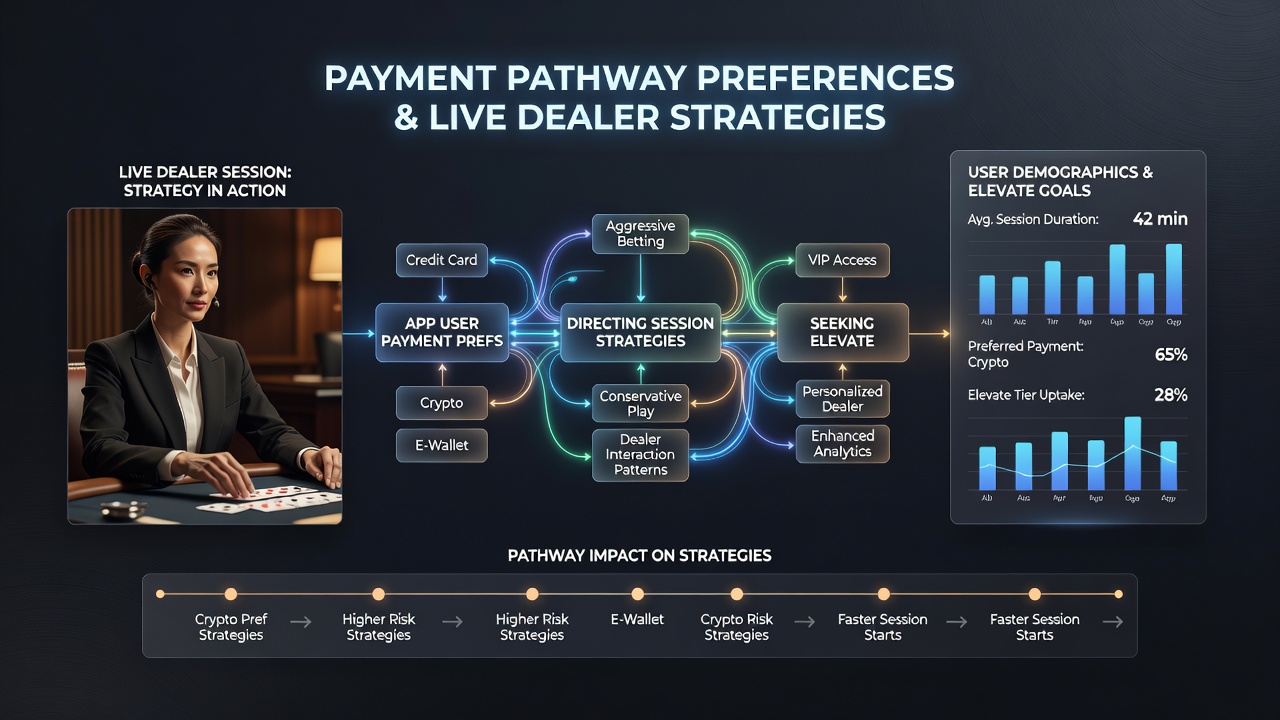
Observers examining Australian market reports note parallel trends, where users favoring cryptocurrency gateways allocate more session time to high-limit live dealer poker variants that grant accelerated status points. The connection between gateway speed and game volatility appears consistent across datasets, with faster methods supporting strategies built around volume rather than individual hand outcomes.
Strategic Adjustments Among Frequent Participants
Participants who monitor their own transaction histories often adjust game choices based on which payment method yields the highest effective point return after fees. One documented case involved a cohort of users who switched from card deposits to instant e-wallets after noticing that fee deductions reduced net point earnings on lower-stakes tables. This adjustment led to measurable increases in average session length within the live dealer lobby.
Platform operators respond to these behaviors by surfacing tailored table recommendations immediately after deposit confirmation, and the recommendations differ according to the detected payment pathway. Data shows users receiving these prompts complete more qualifying hands per session than those navigating without guidance.
Conclusion
Payment pathway preferences continue to shape how app users structure live dealer sessions while advancing through membership structures, and evidence from multiple regulatory sources confirms these connections remain stable into 2026. Transaction records, session logs, and tier-progression metrics together illustrate a clear relationship between funding method and strategic execution on mobile platforms.