Patterns Linking Secure Transfer Methods to Roulette Wheel Selections Within Mobile Loyalty Frameworks
Written by Mia Coleman · Jun 28, 2026

Patterns Linking Secure Transfer Methods to Roulette Wheel Selections Within Mobile Loyalty Frameworks
Mobile loyalty frameworks in digital casino environments track user interactions through layered incentive structures that reward consistent participation, and researchers have documented connections between the secure transfer methods players employ for funding accounts and the specific roulette selections they make during sessions. These patterns emerge from aggregated data across portable platforms where payment gateways integrate directly with reward progression systems, allowing operators to monitor how transaction security levels align with betting behaviors over extended periods. Secure transfer methods encompass encrypted e-wallets, tokenized bank transfers, and biometric-verified mobile payments that prioritize data protection while facilitating instant deposits. Observers note that participants who consistently utilize these higher-security options demonstrate measurable differences in wheel selections compared to those relying on standard card transactions. Data compiled through 2025 indicates that users favoring biometric-authenticated transfers place a higher proportion of wagers on even-money bets such as red or black, which in turn accelerates their accumulation of loyalty points within tiered membership programs.Integration of Payment Security and Reward Pathways
Platform analytics reveal that loyalty frameworks assign progression multipliers based on both deposit frequency and the security classification of each transaction, creating direct pathways from funding choices to game-type preferences. When players employ secure transfer methods, the system logs these actions alongside roulette outcomes, and subsequent analyses show correlations between verified payment types and selections favoring column or dozen bets that offer moderate risk profiles. Such linkages support eligibility for enhanced rewards, including bonus spins and cashback percentages that scale with membership level.
Figures from industry monitoring in early 2026 highlight how these frameworks operate across multiple jurisdictions, with portable apps updating reward statuses in real time as deposits clear through secure channels. Those who switch to tokenized methods mid-session often adjust their roulette selections toward inside bets with higher payouts, potentially because the perceived stability of the transfer encourages bolder positioning on the wheel layout. This adjustment feeds back into the loyalty algorithm, unlocking access to exclusive tables or accelerated point redemption options.
Documented Selection Trends Across User Segments
Longitudinal studies of mobile casino participants demonstrate that secure transfer adoption influences not only initial bet placement but also session duration and progression speed through loyalty tiers. For instance, data sets collected from European operators show users completing transactions via verified e-wallets maintain steadier engagement with outside bets, sustaining longer play periods that compound membership benefits. In contrast, participants using less layered security options exhibit more variable selections, oscillating between high-volatility number bets and conservative choices without consistent pattern adherence.
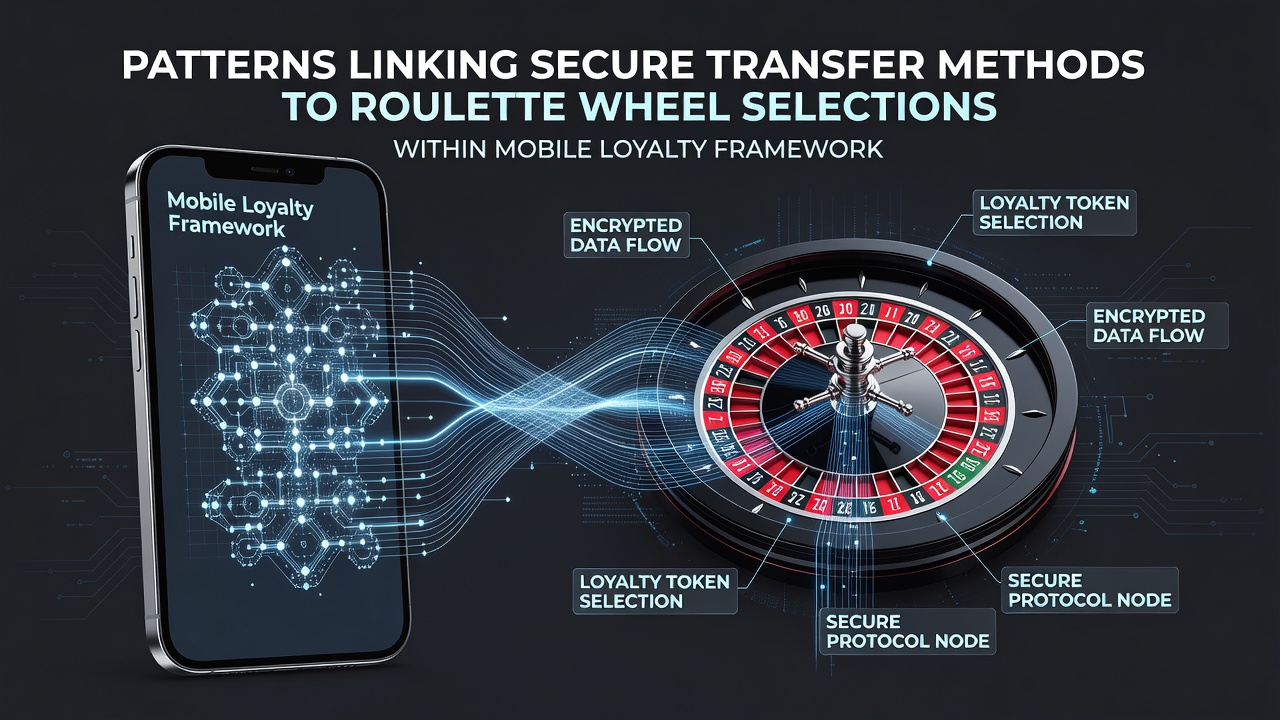
What's interesting emerges when examining regional variations, where Australian regulatory reports from 2025 link similar payment-to-selection dynamics with localized reward structures. Participants in those markets who route deposits through government-approved secure gateways display elevated rates of even-odds roulette selections that align with bonus accrual targets, thereby advancing them through incentive layers more predictably than peers. These observations stem from anonymized transaction logs that operators cross-reference with game logs to refine framework algorithms.
Role of Transaction Verification in Game Progression
Verification steps embedded in secure transfer methods create checkpoints that loyalty systems leverage to segment users by reliability metrics, which then correlate with preferred roulette segments on the wheel. Users completing full biometric verification sequences before depositing tend to gravitate toward split or street bets during promotional periods, according to aggregated platform metrics, because these choices balance potential returns with the structured rewards offered at higher tiers. Such behaviors contribute to sustained eligibility for layered perks like personalized game recommendations and priority support access.
June 2026 updates to several mobile frameworks incorporated enhanced encryption standards for transfers, and early indicators suggest these changes further strengthen the observed links between payment security and selection consistency. Players adapting to the new protocols maintain selections weighted toward low-volatility options that support steady point accumulation, while the systems themselves adjust reward multipliers dynamically based on verified transaction histories.
Implications for Platform Design and User Retention
Design teams at major operators utilize these pattern insights to optimize interface flows, ensuring that secure transfer prompts appear alongside roulette interfaces to guide selections toward those that maximize mutual benefits for both player progression and platform retention goals. Reports from the American Gaming Association underscore how such integrations have expanded across North American markets, with data indicating improved tier retention rates when payment security aligns with game-type analytics.
Additional research from the Australian Gambling Research Centre examines parallel trends in app-based environments, revealing that loyalty frameworks incorporating real-time payment verification reduce drop-off rates among users who favor specific wheel positions. These findings support iterative refinements where transfer method preferences inform personalized roulette layouts presented within the mobile interface.
Conclusion
Patterns connecting secure transfer methods to roulette wheel selections continue to shape mobile loyalty frameworks as operators refine algorithms around verified transaction data and observed betting consistencies. Through 2026, these linkages provide structured pathways for user advancement while maintaining compliance with regional oversight requirements, and ongoing platform adjustments reflect the measurable influence of payment security on game preferences across diverse participant groups.