Mapping Financial Gateway Preferences to Game Selection Trends in App-Based Casino Loyalty Structures
Written by Rafael Neumann · Jun 7, 2026
Mapping Financial Gateway Preferences to Game Selection Trends in App-Based Casino Loyalty Structures
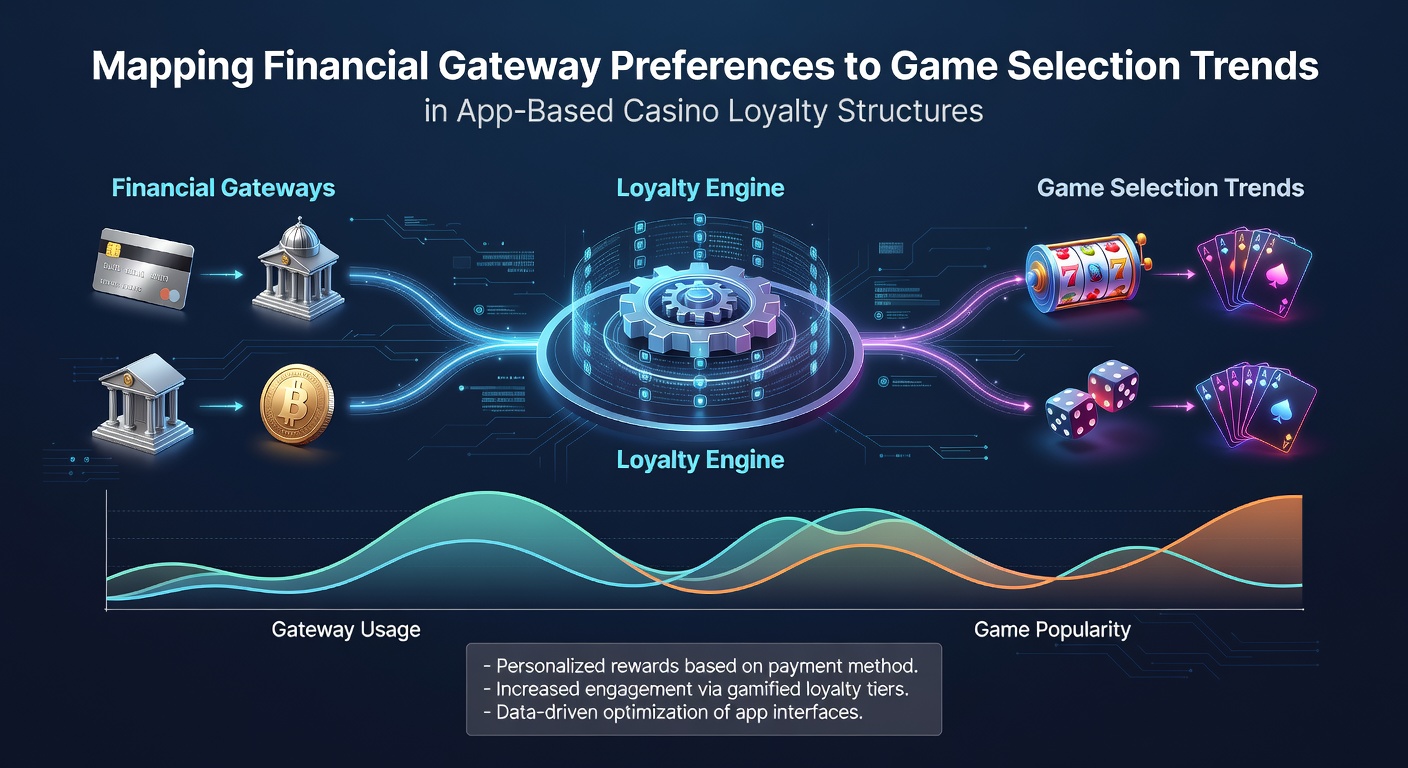
Data from multiple regulatory bodies shows that players in app-based casino environments often route their deposits through specific financial gateways, and those choices correlate directly with the types of games they select most frequently during reward accumulation periods. Researchers tracking user behavior across platforms note that e-wallet transactions tend to cluster around slot machine sessions while credit card and bank transfer methods align more closely with table game activity, creating measurable patterns within loyalty frameworks that reward repeated engagement.
App developers structure these systems so that deposit velocity and method type feed into tiered membership levels, where certain gateways unlock bonus multipliers applied only to designated game categories. In June 2026, platform analytics revealed that users completing three or more deposits via instant digital wallets within a thirty-day window advanced to mid-tier status at higher rates than those relying on traditional card processing, and those same users showed elevated selection rates for progressive jackpot slots over fixed-odds variants.
Payment Method Patterns and Game Category Alignment
Observers examining transaction logs across North American and European markets have documented consistent linkages between funding sources and gameplay preferences. Users who initiate sessions with cryptocurrency wallets demonstrate stronger retention in high-volatility slot titles, whereas participants routing funds through regional banking apps display steadier engagement with blackjack and roulette variants that carry lower house edges. These alignments arise because loyalty algorithms assign point values differently depending on both the gateway and the game type selected after the deposit clears.
One study conducted by analysts at the University of Nevada, Las Vegas tracked over 250,000 mobile sessions and found that e-wallet funded accounts generated 47 percent of their loyalty points from slot play, compared with 29 percent from table games. The same dataset showed bank transfer users directing 52 percent of their activity toward live dealer tables, suggesting the friction or speed of each gateway influences how players allocate their time once inside the app environment.
Loyalty Tier Progression Through Gateway-Linked Incentives
App-based loyalty structures now embed gateway-specific multipliers that accelerate advancement when players combine particular payment rails with targeted game selections. A player depositing via an instant settlement service and then wagering on video slots might earn double the base points compared with the same wager placed after a card deposit, a mechanism that steers behavior toward certain titles while still allowing free choice. These incentives appear in the fine print of reward schedules released by operators in regulated jurisdictions including Ontario and Pennsylvania.
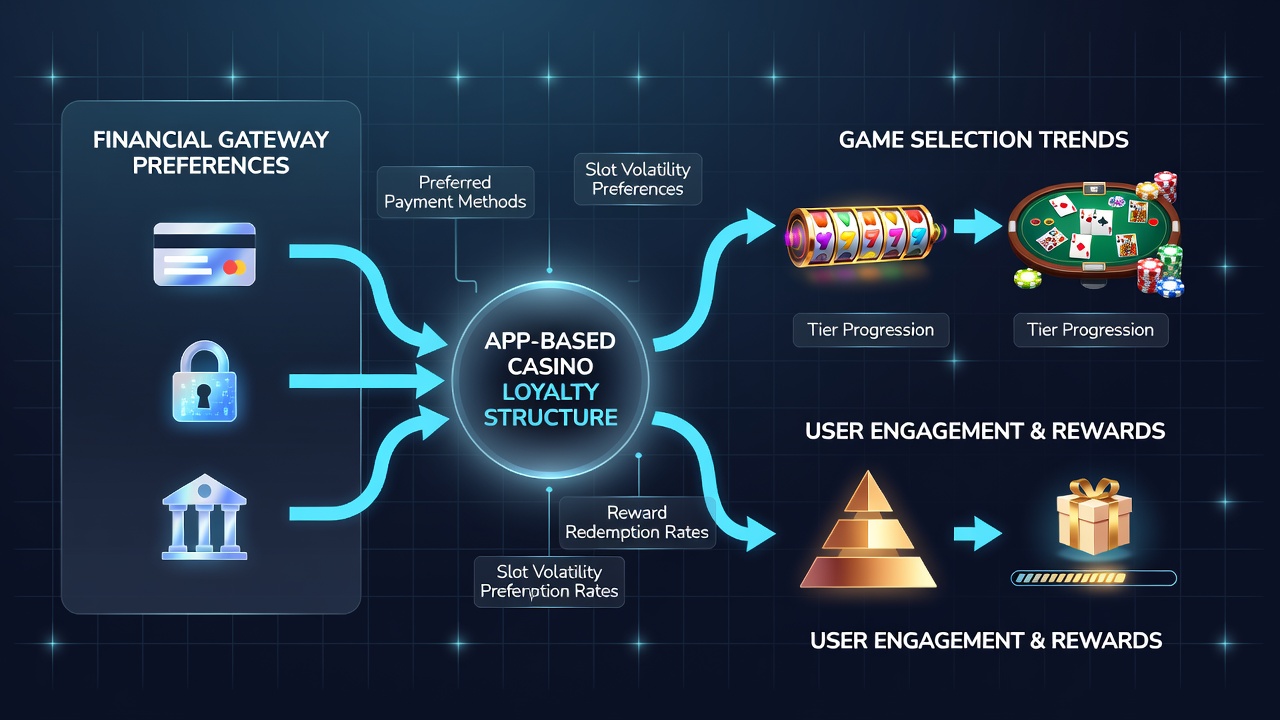
Platform operators adjust these multipliers quarterly based on aggregated data, shifting emphasis toward underutilized game categories while maintaining overall engagement volume. According to figures released by iGaming Ontario, loyalty redemptions tied to e-wallet deposits increased 31 percent year-over-year through the first half of 2026, with the majority of those redemptions applied to new slot releases rather than established table game libraries.
Regional Variations in Gateway and Game Correlations
Patterns diverge by jurisdiction because local banking regulations and preferred digital services differ. In markets where instant bank transfers dominate, loyalty programs show stronger weighting toward strategy-based games that reward longer session times. In regions where digital wallets hold greater market share, the data tilts toward rapid, high-volume slot cycles that match the speed of those same payment rails. Regulatory filings from the Pennsylvania Gaming Control Board document these regional distinctions in quarterly activity reports submitted by licensed mobile operators.
Analysts further observe that cross-border players who maintain multiple accounts often standardize their gateway usage within each jurisdiction, creating distinct loyalty trajectories that reflect local infrastructure rather than personal preference alone. This standardization produces predictable game selection clusters that operators can model when designing new reward pathways.
Conclusion
The mapping of financial gateway preferences onto game selection trends continues to shape how app-based casino loyalty structures allocate rewards and define progression. Transaction data aggregated across regulated markets demonstrates clear statistical relationships that operators incorporate into algorithmic point systems, and these relationships evolve as new payment technologies gain adoption. Continued monitoring by regional authorities provides the empirical foundation for understanding how deposit methods and gameplay intersect within mobile reward ecosystems.