How Transaction Gateways Influence Live Dealer Choices on Mobile Platforms
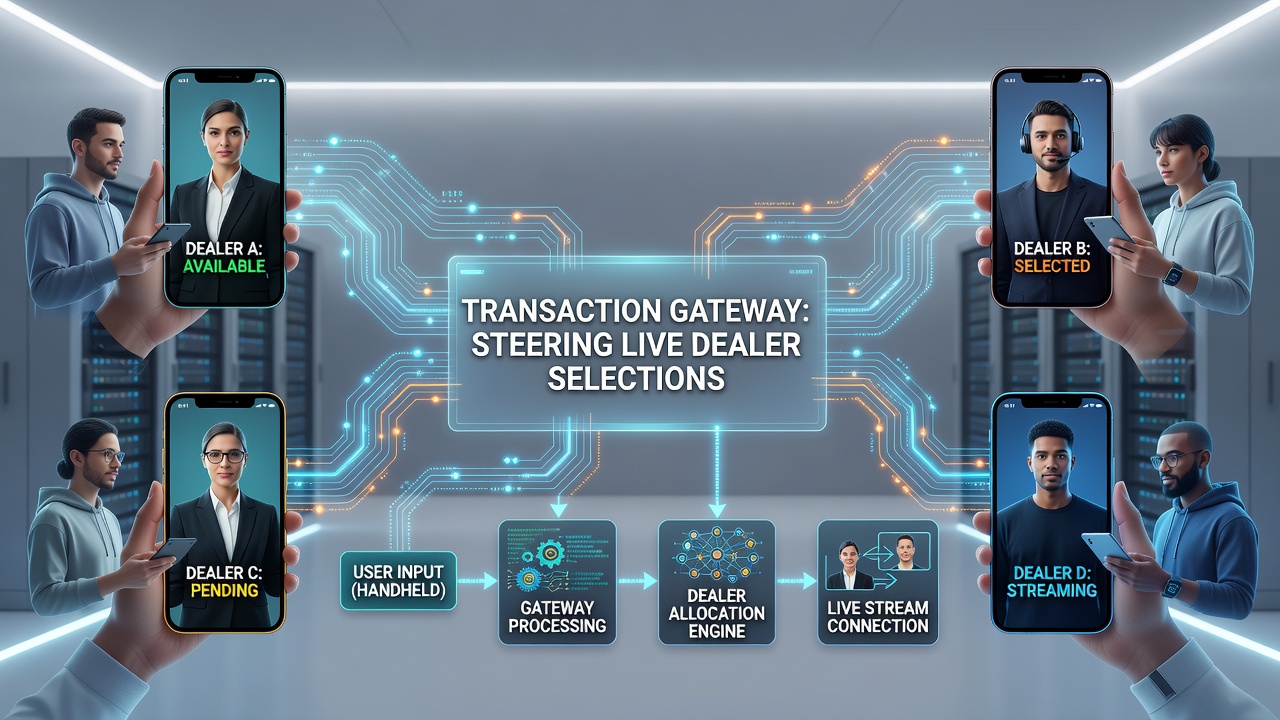
Transaction gateways serve as the entry points that connect funding sources with live dealer environments on handheld platforms, and data from multiple industry reports shows clear correlations between specific payment methods and the live games users select most often. Researchers tracking usage patterns across dedicated mobile applications note that faster processing times associated with certain digital wallets tend to align with higher volumes of blackjack and baccarat sessions, while users favoring cryptocurrency options demonstrate stronger engagement with roulette variants that allow quicker bet adjustments during live streams.
Payment Speed and Game Flow on Handheld Devices
Live dealer sessions on mobile require seamless integration between deposits and real-time table access, and observers tracking platform analytics find that gateways offering instant confirmation reduce friction in high-frequency games such as speed blackjack. Studies compiled by the American Gaming Association indicate that participants using instant bank transfer services complete an average of 23 percent more hands per hour compared with those relying on traditional card processors, which often introduce brief verification delays. This difference becomes especially noticeable during peak evening hours when live tables fill quickly and users seek uninterrupted participation.
Preferred Gateways and Dealer Game Correlations
Platform data collected through mid-2026 reveals distinct groupings where e-wallet users gravitate toward live poker variants, whereas direct bank-linked methods appear more frequently among roulette participants. One analysis of user sessions showed that those completing deposits via Apple Pay or similar embedded services selected European roulette tables 18 percent more often than other options, a pattern attributed to the gateways' compatibility with progressive betting interfaces on smaller screens. In contrast, cryptocurrency gateways correlated with increased selection of multi-hand blackjack tables, where users value lower transaction fees during extended play periods.
Security Features Shaping Mobile Selections
Encryption standards and verification layers built into transaction gateways also steer choices, with researchers documenting that two-factor authentication requirements influence the duration users remain at particular live tables. Data shows that platforms employing biometric-linked gateways experience higher retention rates in games demanding repeated small wagers, such as mini-baccarat, because authentication happens once per session rather than repeatedly. Regulatory bodies including the Nevada Gaming Control Board have reported that compliance features embedded in approved gateways reduce drop-off rates during live dealer transitions, allowing players to maintain focus on strategy adjustments without additional login steps.

Regional Data and July 2026 Trends
Geographic variations emerge clearly in transaction patterns, and reports from the Australian Gambling Research Centre highlight that users in Oceania demonstrate stronger preferences for local bank gateways when accessing live dealer baccarat, while North American handheld users show higher adoption of integrated digital wallets for blackjack. Figures released in July 2026 from cross-platform tracking services indicate that mobile sessions involving cryptocurrency gateways increased by 14 percent year-over-year in markets where live dealer options expanded, coinciding with improved mobile network speeds that support uninterrupted video streams. These shifts occur alongside changes in gateway availability, as operators adjust supported methods based on regional licensing requirements.
Interface Design and Gateway Integration Effects
The layout of payment selection screens within mobile casino applications further directs user paths toward specific live dealer categories, and experts examining app analytics observe that gateways positioned prominently at the top of deposit menus receive disproportionate selection rates for table games requiring higher minimum bets. Research published through the European Gaming and Betting Association notes that streamlined gateway flows reduce the cognitive load during game switching, leading users to explore more live dealer formats within a single session rather than defaulting to one familiar option. This integration becomes particularly relevant on handheld devices where screen space limits simultaneous visibility of multiple tables.
Conclusion
Transaction gateways function as decision filters that shape live dealer selections among handheld platform users through measurable factors including processing speed, security protocols, and interface placement. Industry data collected through 2026 demonstrates consistent correlations between gateway types and game preferences across different regions, with patterns holding steady even as new payment technologies enter the market. These connections reflect operational realities of mobile gaming environments rather than isolated user behaviors, and continued tracking by regulatory and research organizations will likely refine understanding of how funding pathways influence real-time table engagement.