Exploring Deposit Channel Impacts on Game Preferences Within Progressive Loyalty Tracks for Smartphone-Based Casino Participation
Written by Cameron Wolf · Jun 12, 2026
Exploring Deposit Channel Impacts on Game Preferences Within Progressive Loyalty Tracks for Smartphone-Based Casino Participation
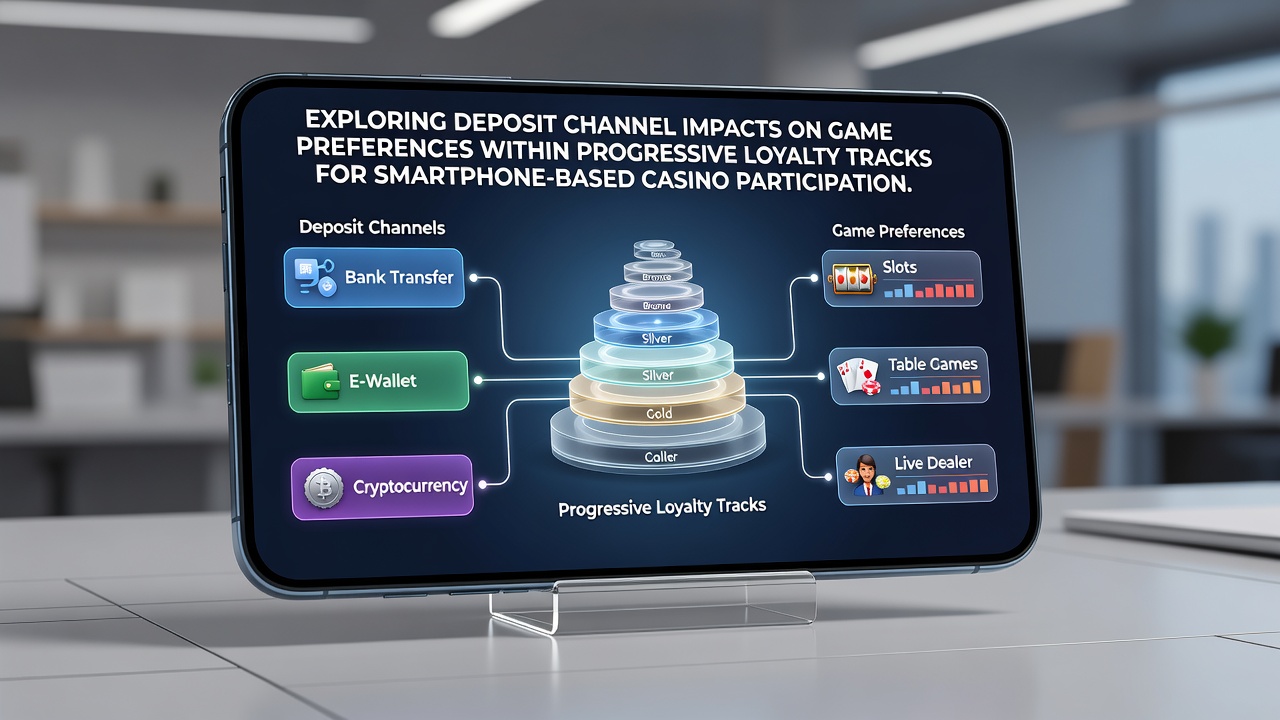
Research indicates that deposit channels shape player selections across mobile casino platforms where progressive loyalty programs track activity and unlock tiered rewards. Data from multiple jurisdictions shows variations in game types based on whether users fund accounts through e-wallets, bank transfers, credit cards, or cryptocurrency services. Observers note patterns emerging as smartphone participation grows and operators refine incentive structures to retain users at different membership levels. Payment method preferences connect directly to engagement metrics in these systems. Studies reveal that users completing deposits via instant e-wallet solutions often gravitate toward high-frequency slot titles during early loyalty stages, while those relying on traditional bank wires show higher participation rates in table game simulations once they reach mid-tier status. These distinctions appear consistent across datasets collected through 2025 and into early 2026.Deposit Methods and Loyalty Progression Mechanics
Progressive loyalty tracks on smartphone apps accumulate points from deposits and wagers, advancing participants through bronze, silver, gold, and platinum categories with corresponding benefits such as cashback percentages, free spin allocations, and personalized game access. Analysts have tracked how funding sources influence the speed of point accumulation and the subsequent game categories that users prioritize to maximize returns on their tier benefits.
Figures from industry reports highlight that cryptocurrency deposits frequently correlate with elevated activity in progressive jackpot slots among users who reach advanced loyalty levels by June 2026. In contrast, credit card deposits link more often to steady play in video poker variants during the same progression windows. These associations hold across aggregated anonymized transaction logs examined by research teams monitoring remote betting services.
Observed Patterns in Game Selection by Channel
One analysis of mobile platform data demonstrated that e-wallet users advance through loyalty tiers at accelerated rates when they concentrate wagers on bonus-buy slot features, leading operators to adjust reward structures accordingly. Bank transfer participants meanwhile display steadier engagement with live dealer blackjack sessions, particularly after unlocking tier-specific multipliers on table game contributions.
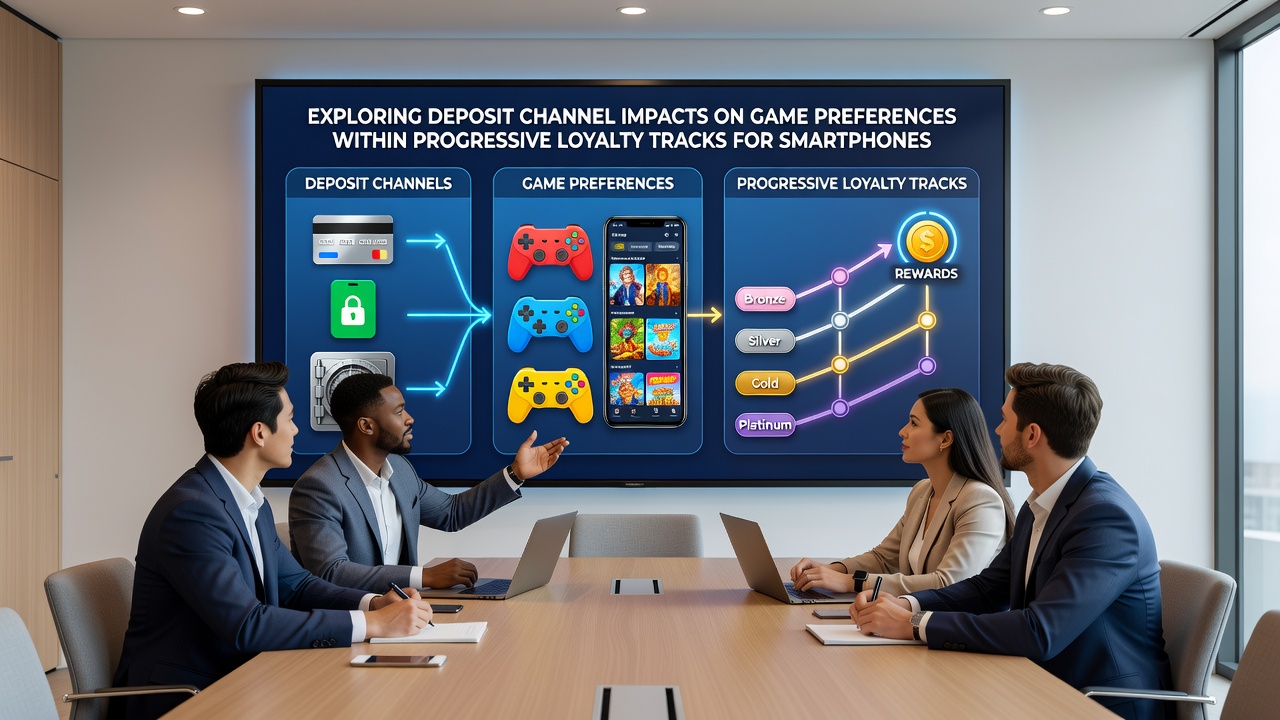
Additional evidence from platform audits indicates cryptocurrency channels support quicker shifts toward high-volatility games once users enter platinum tiers, whereas debit card deposits maintain consistent preferences for medium-volatility options throughout the loyalty journey. Researchers attribute these trends partly to transaction speed differences and fee structures that affect net deposit amounts available for play.
Regional Data and Regulatory Context
According to information released by the Alcohol and Gaming Commission of Ontario, mobile casino operators in that province recorded distinct deposit channel distributions among loyalty program members during the first half of 2026. E-wallet transactions represented a growing share of activity tied to slot preferences in lower tiers, while bank-linked methods appeared more frequently among users selecting table games after tier upgrades.
Similar observations surface in reports from the Casino Regulatory Authority of Singapore, where data shows cryptocurrency deposits aligning with increased participation in jackpot-linked games within progressive reward frameworks. These geographic variations underscore how local payment infrastructure and regulatory frameworks interact with player behavior on smartphone platforms.
Implications for Platform Design and User Tracking
Operators have begun incorporating deposit channel analytics into their loyalty algorithms to predict and guide game preferences at each tier threshold. This approach allows real-time adjustments to promotional offers based on observed correlations between funding methods and wager categories. Data indicates such targeted interventions maintain engagement levels across different user segments without requiring manual intervention.
Academic examinations of transaction datasets further confirm that users who switch deposit channels mid-progression often exhibit corresponding shifts in game type selection, particularly when moving from slower traditional methods to faster digital wallets. These transitions frequently coincide with accelerated advancement toward higher loyalty benefits.
Conclusion
Evidence from multiple monitoring sources establishes clear connections between deposit channels and game preferences within smartphone-based progressive loyalty systems. Patterns documented through 2026 demonstrate that transaction characteristics influence both the pace of tier advancement and the categories of games that participants favor at each stage. Continued collection of anonymized platform data will refine understanding of these relationships across evolving mobile casino environments.