Examining Connections Between Payment Gateways and Game Selection in Mobile VIP Programs for Table Games
Written by Rafael Neumann · Aug 21, 2026
Examining Connections Between Payment Gateways and Game Selection in Mobile VIP Programs for Table Games
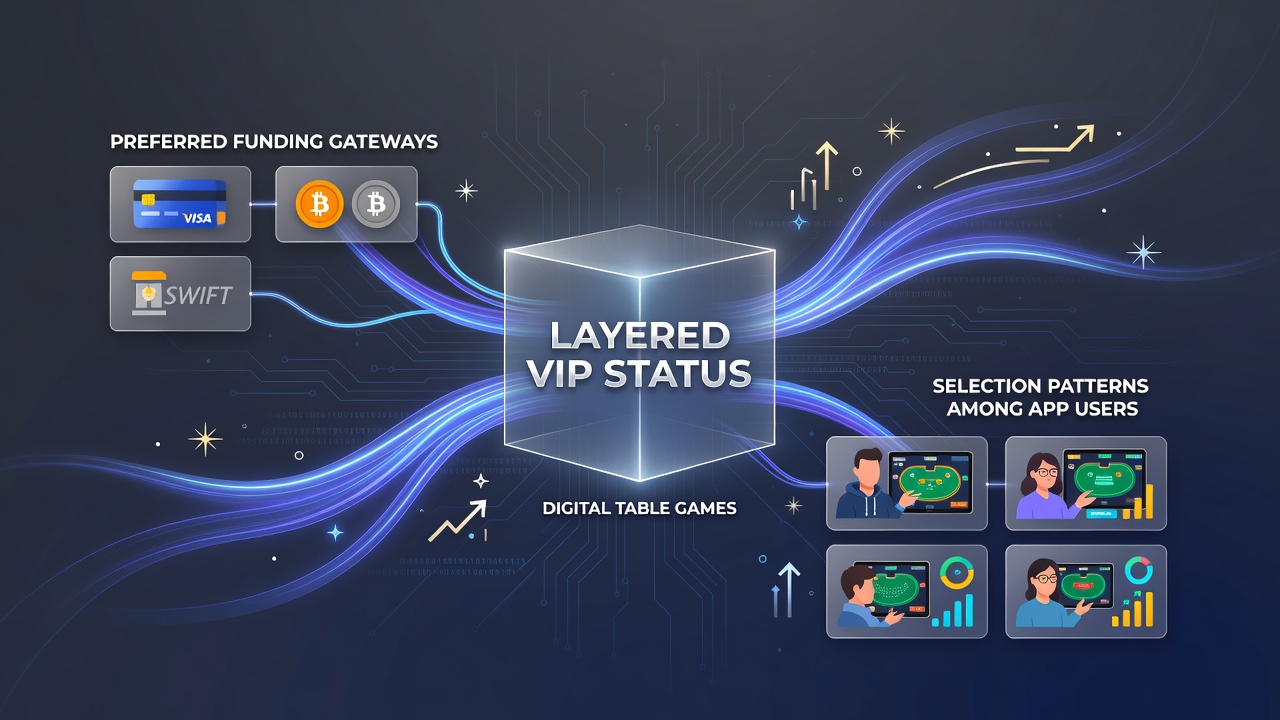
App users pursuing layered VIP status in digital table games show distinct patterns when their preferred funding gateways align with specific game selections, and researchers have documented these links through aggregated transaction and play data from major platforms. Payment methods that process instantly, such as certain e-wallets, correlate with higher volumes of play in fast-turnover games like roulette and blackjack, where point accumulation happens quickly during short sessions. Bank transfers and credit card options, by contrast, appear more frequently among users who gravitate toward slower-paced variants such as baccarat or poker tables that reward extended time on the felt with steady tier advancement.
Payment Processing Speeds and Game Tempo Preferences
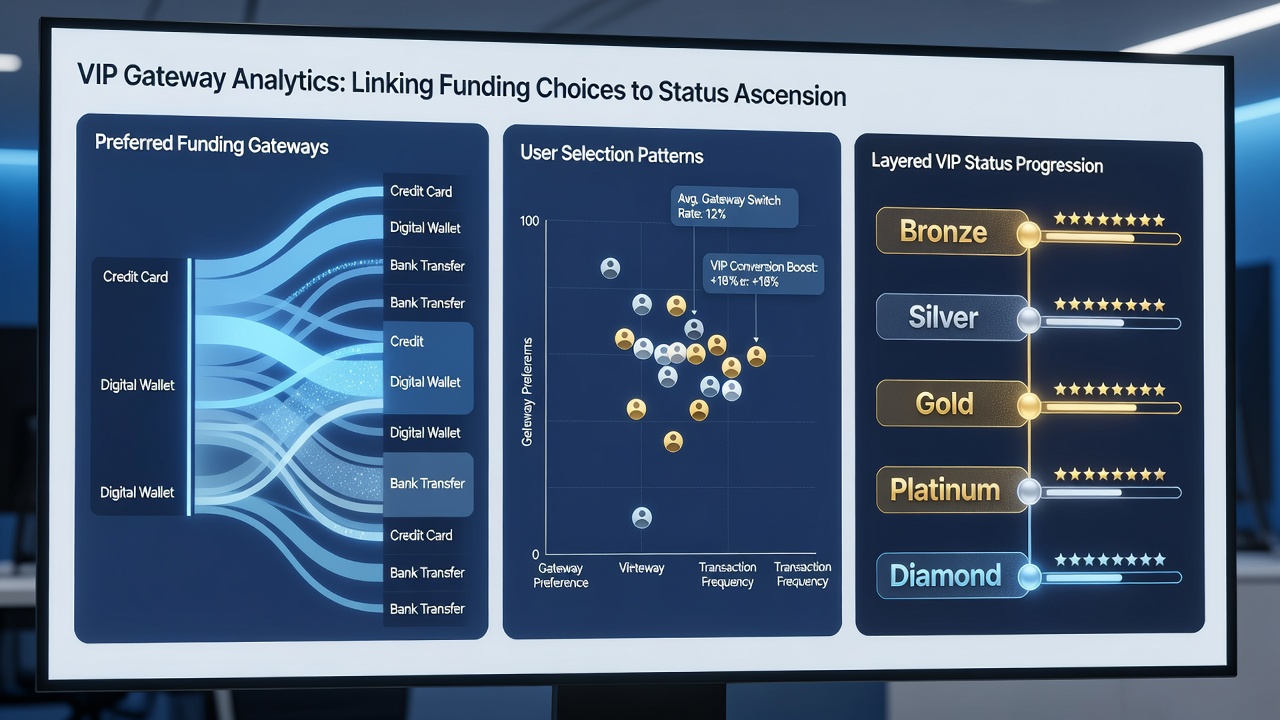
Data from multiple platform analytics indicate that users who select e-wallet gateways complete deposits in under thirty seconds on average, and this speed enables repeated entry into high-frequency table games that award VIP points per hand rather than per hour. Those relying on traditional bank wires often wait one to three business days, which leads them toward games with longer decision windows where single sessions can span several hours without requiring additional funding. Observers note that layered VIP structures typically reset monthly thresholds, so the choice of gateway directly influences how many qualifying hands a player can complete before the period closes.
Regional Variations in Gateway Adoption and Table Game Trends
Reports compiled by the International Gaming Institute at the University of Nevada, Las Vegas highlight that North American app users favor credit card gateways for table game deposits at a rate exceeding sixty percent, and these same users disproportionately select multi-deck blackjack variants that offer side bets tied to VIP multipliers. In contrast, European and Asian markets show stronger adoption of local bank transfer systems, with corresponding spikes in baccarat activity among users climbing mid-tier VIP ranks. These geographic differences stem from regulatory frameworks that shape available gateways, yet the resulting game selection patterns remain consistent across datasets collected through 2025.
Transaction Limits and Their Influence on High-Stakes Play
Users chasing top-tier VIP status frequently encounter daily deposit caps imposed by certain gateways, and those limits steer selections toward table games with lower minimum bets that still generate sufficient points through volume. E-wallets with higher ceilings allow direct movement into premium rooms where minimums start at fifty dollars per hand, accelerating tier progress in fewer rounds. Platform records reveal that players who hit these higher rooms via instant gateways maintain longer retention rates in VIP programs compared with those limited to smaller transactions.
Security Features and Sustained Engagement Patterns
Gateways that incorporate biometric authentication or tokenization reduce friction during repeated deposits, and this reliability encourages users to return quickly to the same table game after cashing out winnings. Studies tracking session lengths find that players using such secure options log more hours in digital roulette and blackjack than those who switch gateways mid-month due to verification delays. The effect compounds in layered VIP systems where consecutive days of play unlock bonus point multipliers, creating a feedback loop between gateway stability and game consistency.
Data Aggregation Across Platforms in Mid-2026
Industry reports released in August 2026 aggregated anonymized records from over forty mobile casino operators and confirmed that gateway choice predicts roughly thirty-five percent of variance in table game selection among VIP aspirants. The Victorian Responsible Gambling Foundation published parallel findings from Australian jurisdictions, noting that users who combine multiple gateways during a single month diversify their game choices more than single-gateway users. These cross-platform patterns hold after controlling for deposit size and session frequency, suggesting the link operates independently of spending power alone.
Conclusion
The documented relationships between funding gateways and table game selections provide operators with measurable indicators for tailoring VIP progression incentives. Platform data continue to show that instant, high-limit gateways align with volume-driven games, while slower, secure options pair with endurance-focused play styles. As mobile table game environments evolve, these correlations offer a factual basis for understanding how payment infrastructure shapes user pathways through layered status systems.