Decoding Incentive Pathways That Link Payment Preferences to Blackjack Session Outcomes in App Environments
Written by Rafael Neumann · Jul 8, 2026
Decoding Incentive Pathways That Link Payment Preferences to Blackjack Session Outcomes in App Environments
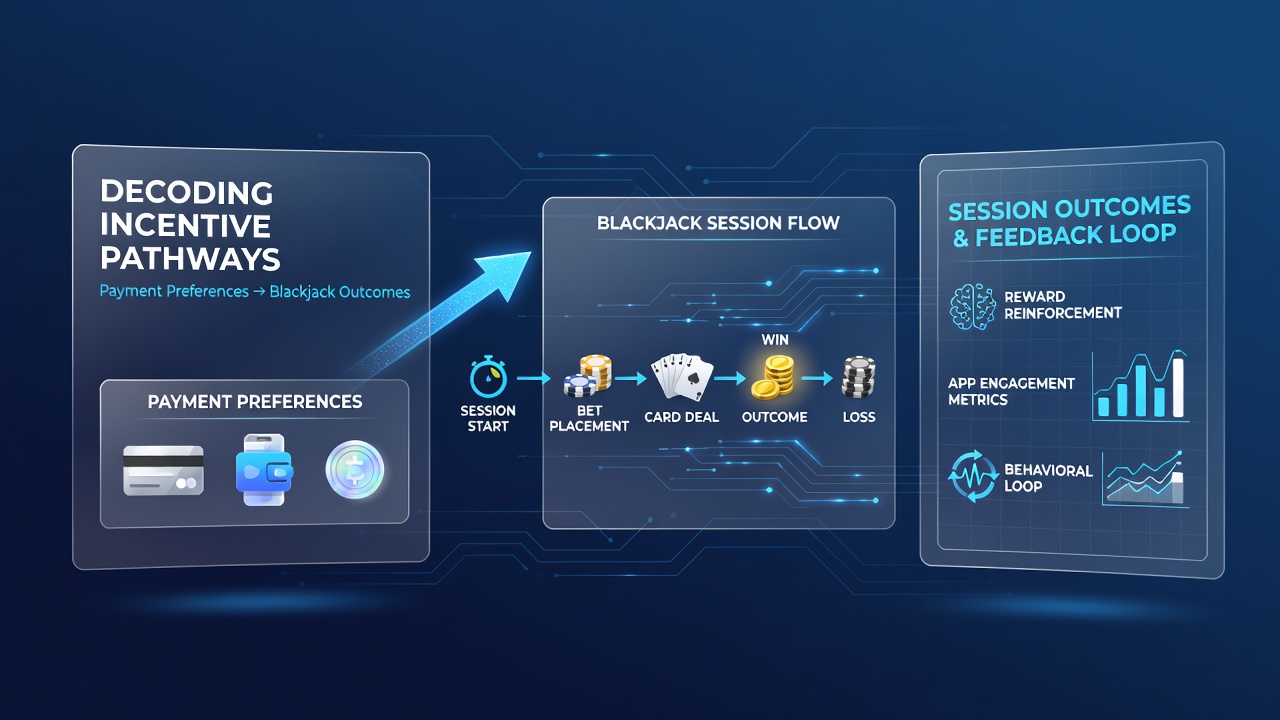
Payment preferences in mobile gaming applications connect directly to incentive structures that shape blackjack session outcomes, and data from multiple markets reveal consistent patterns across user behaviors and reward distributions. App-based platforms track deposit methods such as digital wallets, credit cards, and bank transfers, then route those choices into tiered loyalty pathways that determine bonus eligibility, cashback rates, and progression speed through membership levels. Observers note that these pathways operate through algorithmic matching where preferred funding options trigger specific reward multipliers during blackjack play, which in turn influences session length and average wager amounts.
Payment Method Tracking and Incentive Allocation
App environments log each transaction type at the point of deposit, and system designs assign corresponding incentive values that apply exclusively to blackjack tables within the same session. Figures from regulatory reports indicate that e-wallet users receive faster progression toward reward thresholds compared with traditional card deposits in several jurisdictions, while bank transfer users often unlock higher cashback percentages after reaching volume milestones. Those who've examined platform data find that these allocations occur automatically through backend rules that link funding source to game type, creating measurable differences in net session returns over time. By July 2026, several major operators had updated their tracking protocols to include real-time adjustments based on payment frequency and blackjack-specific activity.
Blackjack Session Dynamics in Mobile Settings
Blackjack play within apps features shorter decision cycles than many table games, and incentive pathways capitalize on this by delivering incremental rewards after each hand or round cluster. Studies show that users who select certain payment options at deposit time experience altered outcome distributions through the application of layered bonuses that reduce effective house edge during promotional windows. Researchers discovered that session outcomes improve when incentives align with high-frequency deposit patterns, because the system applies multipliers that extend playtime and stabilize bankroll fluctuations. Data indicates these effects appear most pronounced among regular participants who maintain consistent funding preferences across multiple sessions.
Regional Data Patterns and Platform Variations
Markets in North America and Europe display distinct yet overlapping trends where payment-linked incentives correlate with blackjack participation rates. According to analysis from the New Jersey Division of Gaming Enforcement, mobile blackjack sessions funded through instant digital methods showed higher average durations and increased reward redemption compared with slower settlement options. Similar patterns emerge in Australian regulatory summaries, where operators report that preferred payment gateways guide users toward specific incentive tiers that reward consistent blackjack activity. Those patterns hold across different app architectures, although exact thresholds vary by platform and jurisdiction.
Algorithmic Pathways and Outcome Measurement
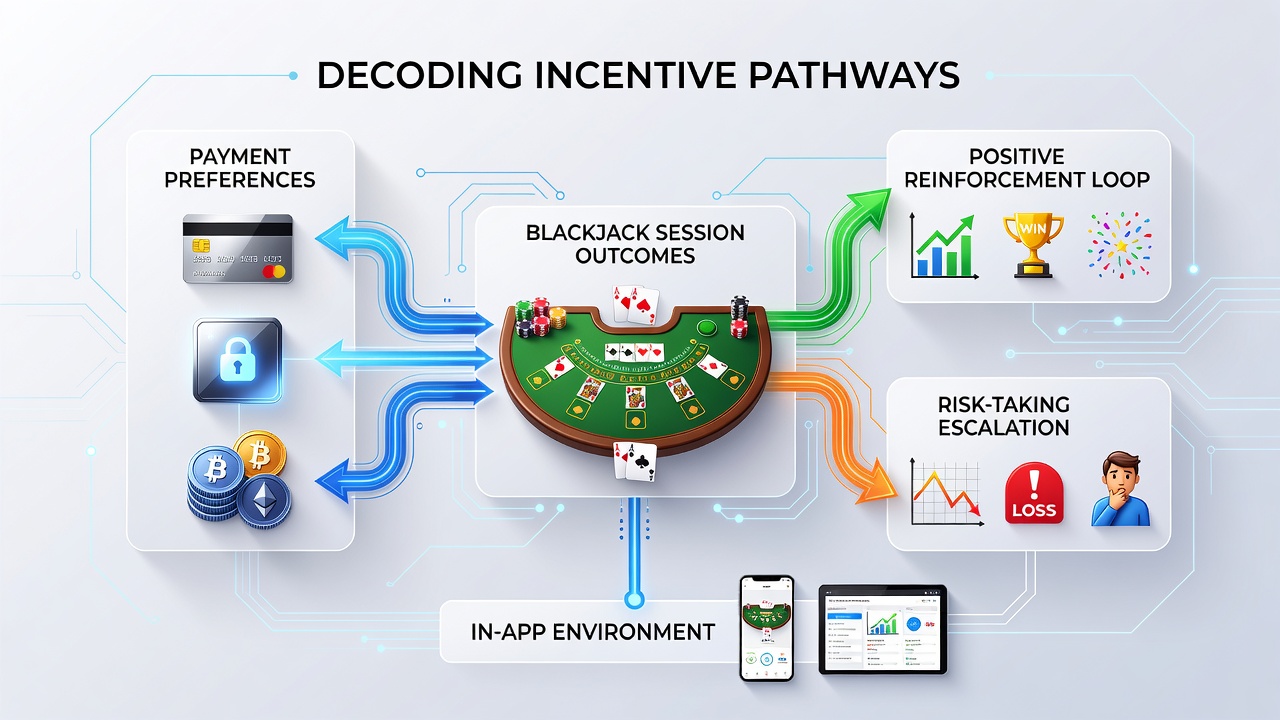
Backend systems map payment preferences to incentive trees that activate at defined blackjack milestones, and operators measure resulting outcomes through metrics such as hands played per session, win rate variance, and loyalty point accumulation. Evidence suggests that users who align deposit methods with incentive-optimized pathways achieve steadier progression through membership ranks, which then unlocks additional blackjack-specific perks like reduced commission on side bets or enhanced payout schedules. One study revealed that these mappings produce statistically significant differences in session net results when tracked over extended periods. Platforms continue to refine these algorithms as user data accumulates, allowing more precise connections between funding choices and game outcomes.
Integration of Rewards with Session Flow
Incentive delivery integrates seamlessly into the blackjack interface, and payment preference data determines which rewards appear during active play. Participants often discover that certain deposit methods unlock immediate spin bonuses or cashback credits that apply directly to ongoing hands, creating feedback loops where session outcomes reinforce the original payment choice. Reports from industry monitoring groups show these loops contribute to measurable retention differences across payment cohorts. Observers note that the structure remains transparent within app terms, with clear documentation of how each funding option maps to reward availability.
Conclusion
Payment preferences establish clear connections to incentive pathways that affect blackjack session outcomes in app environments, and aggregated data across regions confirm the operational reality of these linkages. Regulatory bodies and platform analytics continue to document how funding choices shape reward access and session metrics, providing objective records of the mechanisms at work. These pathways operate through documented rules and measured results rather than random assignment, offering consistent patterns for those who examine the available figures.