Connections Between Funding Options and Game Selections in Mobile Casino Reward Pathways
Written by Casey Albrecht · Jun 5, 2026
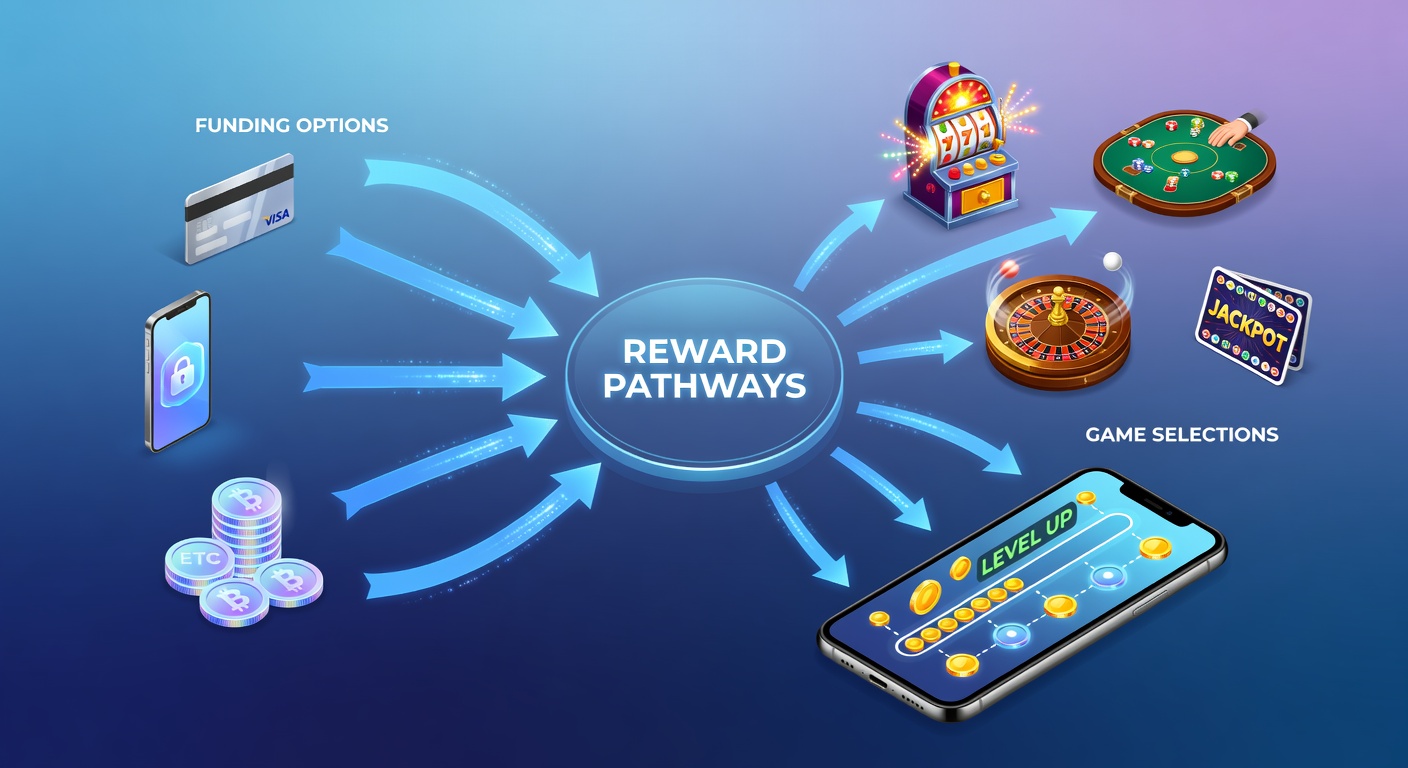
Connections Between Funding Options and Game Selections in Mobile Casino Reward Pathways
Funding options in mobile casino environments shape how participants navigate reward pathways, since deposit speed, transaction limits, and processing fees often determine which games become viable for meeting wagering requirements. Observers note that players select funding methods based on compatibility with specific bonus structures, where e-wallets enable rapid cycling through slot machines while bank transfers align more closely with table game progressions that carry lower house edges. Data from industry reports indicates these choices create measurable patterns in game selection across portable platforms.
Payment Methods and Their Direct Influence on Reward Eligibility
Credit card deposits frequently trigger instant reward credits that favor high-volume slot sessions, because those games allow quick accumulation of playthrough points toward tier advancement, whereas cryptocurrency transfers impose longer confirmation windows that steer users toward live dealer tables with extended session requirements. Researchers at the University of Nevada Las Vegas have documented how these timing differences alter participation rates, with card-funded accounts showing higher engagement in progressive jackpot titles during promotional windows. Meanwhile bank wire options, though slower, often bypass certain fee structures and open access to loyalty multipliers reserved for larger single deposits.
Observed Patterns in Game Selection by Funding Type
Analyses of user behavior reveal that e-wallet users concentrate activity on video slots and scratch cards during the first 48 hours after deposit, since these titles convert bonus funds into eligible wagers at accelerated rates, yet the same participants shift toward blackjack and roulette once initial requirements clear. Those relying on prepaid vouchers exhibit preferences for low-stake bingo variants that satisfy minimum play thresholds without rapid balance depletion. Figures released in June 2026 by regional regulators show a 14 percent uptick in cryptocurrency-funded accounts selecting high-volatility slots over the prior quarter, a shift attributed to seamless cross-border transfers that reduce friction in multi-currency reward redemptions.
What's interesting is how transaction caps embedded in certain funding channels restrict entry into high-limit game rooms, forcing participants toward standard tables where reward pathways accumulate more gradually. One study of mobile platform logs found that debit card users completed reward milestones 22 percent faster when restricted to medium-volatility games, compared with unrestricted crypto accounts that dispersed activity across both slots and poker variants.
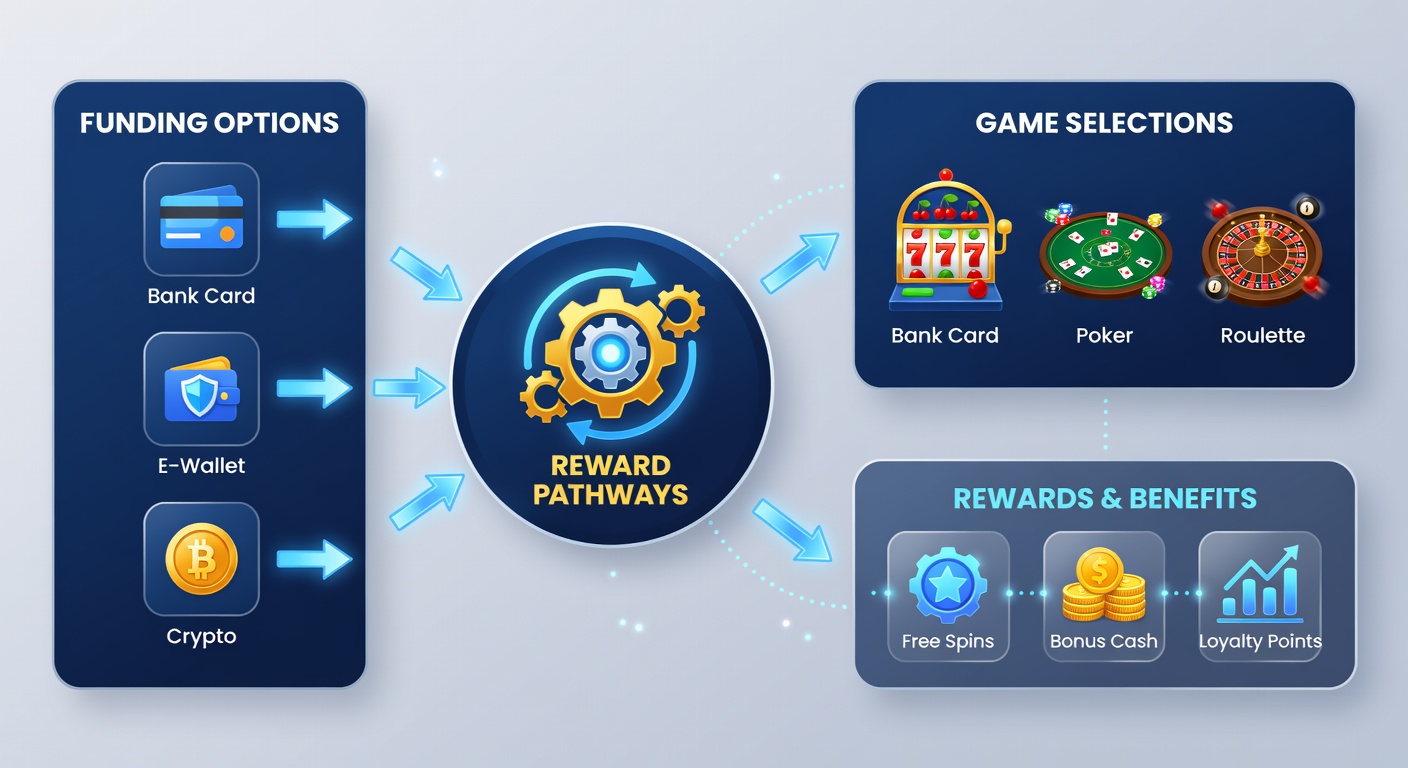
Regional Regulatory Contexts Shaping These Connections
Regulatory frameworks in different jurisdictions further modulate the links between funding and game selection, with Nevada's oversight emphasizing transparency in bonus wagering that indirectly favors methods with clear audit trails. Data from the Nevada Gaming Control Board highlights increased reporting on how instant payment confirmations correlate with slot-heavy reward pathways. In contrast, Australian markets governed by state-level rules demonstrate stronger alignment between digital wallet usage and table game participation, where lower transaction costs allow sustained play that meets layered membership criteria.
Additional evidence from the Interactive Games and Entertainment Association shows that participants in regulated Australian markets using instant bank transfers gravitate toward live dealer roulette sessions when pursuing VIP status, because those games carry transparent contribution percentages toward reward tiers. June 2026 updates to reporting standards across multiple regions have begun capturing these granular connections, revealing that funding speed directly influences the distribution of play across game categories rather than overall volume alone.
Technical Integration of Funding Systems With Reward Algorithms
Mobile platforms integrate funding APIs directly into reward engines so that deposit method metadata influences bonus multipliers assigned to particular game libraries. Systems detect when a user employs a fee-free method and automatically route available promotions toward titles with higher theoretical return percentages. Observers note that this backend linkage produces consistent outcomes: accounts funded through certain digital wallets receive elevated point rates on slot machines, while credit-based deposits unlock enhanced multipliers for table games during the same promotional cycle. Such integrations reduce manual selection steps and embed game preferences into the reward pathway from the moment funds clear.
Platform logs examined by independent analysts indicate that these automated adjustments create feedback loops where repeated use of a single funding option reinforces particular game selections over time. Participants who start with e-wallets maintain slot-focused trajectories through multiple reward cycles, whereas those initiating with traditional cards diversify earlier into mixed game portfolios. These patterns hold across different device types and operating systems, suggesting the connections originate in the funding layer rather than user interface variables.
Conclusion
The documented relationships between funding options and game selections within mobile casino reward pathways rest on measurable timing, cost, and regulatory factors that platforms encode into their systems. Evidence from multiple jurisdictions demonstrates that payment method characteristics guide participants toward specific game categories to optimize progress through layered incentives. Continued collection of transaction and play data in 2026 will refine understanding of these dynamics without altering the underlying objective connections already observed.