Charting e-wallet sequences that unlock layered VIP perks during extended mobile slot sessions
Written by Cameron Wolf · Jul 10, 2026
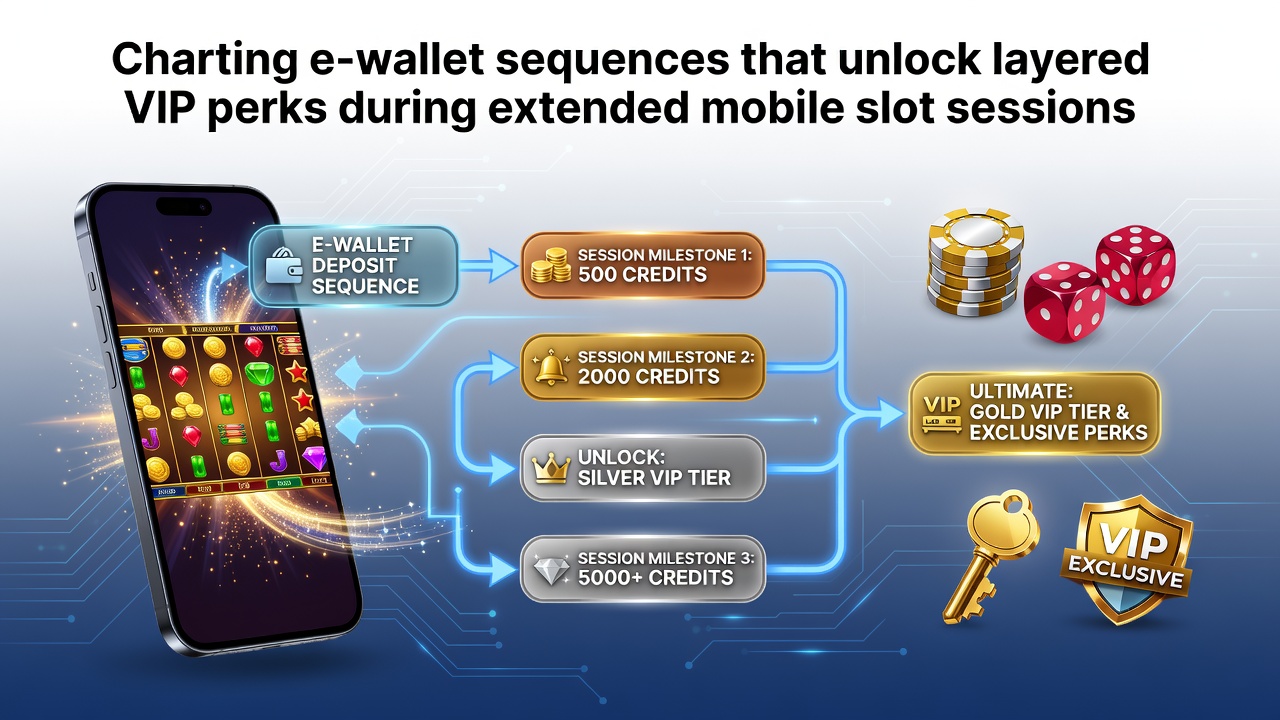
Charting e-wallet sequences that unlock layered VIP perks during extended mobile slot sessions
Operators track specific sequences of e-wallet transactions that align with mobile slot activity to determine eligibility for tiered loyalty rewards, and these patterns emerge from data collected across portable gaming platforms. Research from the American Gaming Association shows that deposit frequency, amount intervals, and timing relative to session length often correlate with progression through multiple membership levels in digital casino environments.
Core Components of E-Wallet Sequences
Participants initiate sequences through repeated transfers from services such as PayPal, Skrill, or Neteller directly into casino accounts while engaged in slot play on smartphones or tablets, and the order of these actions matters because systems log both the monetary values and the intervals between them. Data indicates that clusters of smaller deposits spaced evenly across longer sessions frequently precede access to intermediate reward layers, whereas single large transfers tend to register differently in progression algorithms.
Session duration plays a measurable role since extended mobile slot play generates additional tracking points that combine with transaction records, and observers note that sequences spanning more than ninety minutes often accumulate the metrics required for advancement. Figures from industry monitoring reveal that players who maintain consistent funding patterns during these periods reach higher tiers at measurable rates compared with sporadic activity.
Layered Perk Structures and Transaction Triggers
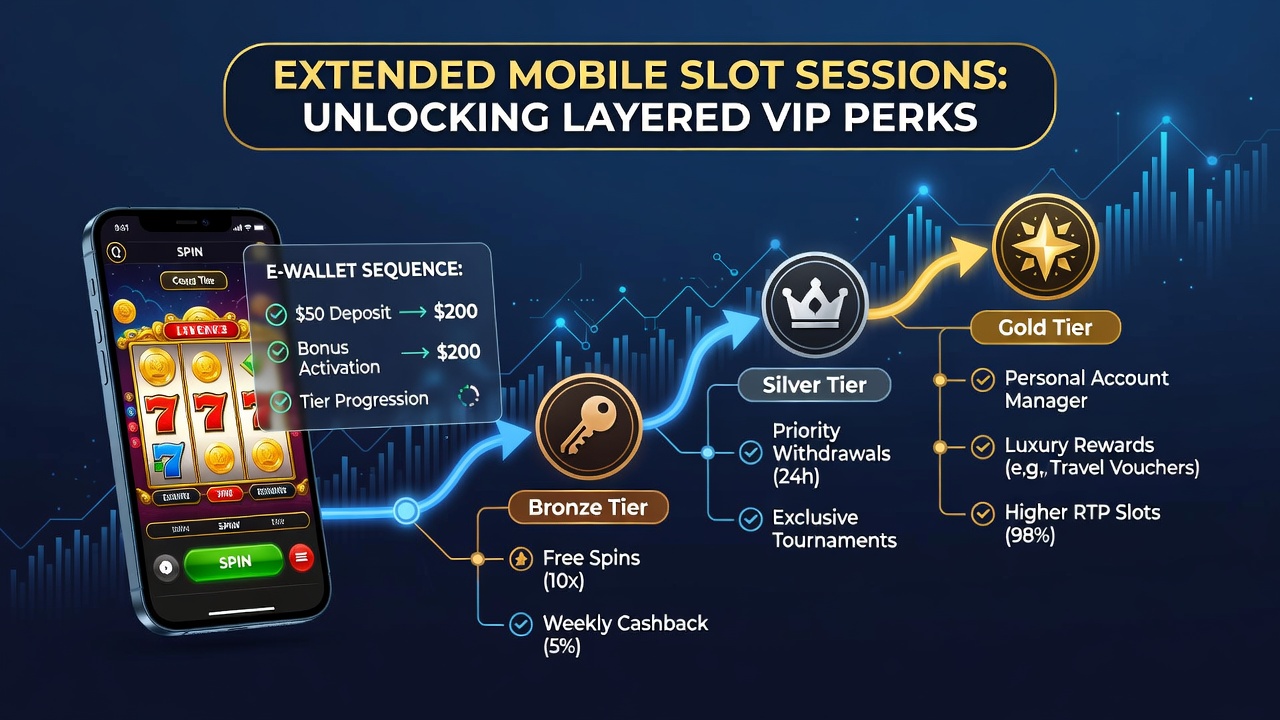
VIP frameworks divide rewards into successive stages where each level grants incremental benefits such as bonus credits, cashback percentages, or accelerated point accumulation, and e-wallet sequences serve as one documented pathway to satisfy the criteria for each stage. According to reports compiled by the Australian Communications and Media Authority, transaction histories that demonstrate steady volume during mobile sessions align with eligibility windows for these layered structures.
Systems evaluate sequences against thresholds that include total deposited amounts within defined timeframes, the number of distinct e-wallet providers used, and the ratio of deposits to gameplay duration, and researchers have documented cases where alternating between two funding sources during a single extended session satisfied criteria faster than repeated use of one method. Mobile platforms record these details automatically through application logs that feed into centralized loyalty databases.
Observed Patterns in Mobile Environments
Analysis of user data across multiple operators shows recurring sequences that begin with an initial deposit under a set limit followed by two or three subsequent transfers timed at roughly twenty-minute intervals, and these patterns appear more frequently among accounts that advance through three or more tiers within a calendar month. A study published in the International Journal of Gaming and Computer-Mediated Simulations found that such spaced sequences correlate with higher retention metrics in app-based slot environments.
Geographic variations influence which sequences prove effective because regulatory frameworks in different jurisdictions shape how operators structure their loyalty calculations, yet the underlying data collection methods remain consistent across platforms. As of July 2026, several major providers updated their mobile applications to display real-time indicators of sequence progress toward the next perk layer, allowing participants to monitor advancement without external queries.
Integration with Broader Loyalty Metrics
E-wallet sequences function alongside other tracked elements such as total spins completed and average bet size, creating combined profiles that determine final tier placement, and experts observe that funding patterns alone rarely unlock the uppermost layers without concurrent gameplay volume. Platforms cross-reference these elements through unified player accounts that aggregate activity from multiple devices.
Transaction reversals or chargebacks interrupt sequence recognition in most documented systems, resetting partial progress toward a given layer, while successful completions that match expected timing windows contribute positively to cumulative records. Industry reports emphasize that these mechanics operate on algorithmic thresholds rather than discretionary review in the majority of mobile slot applications.
Conclusion
Mapping e-wallet sequences provides operators and participants with measurable indicators of progress through VIP structures during extended mobile slot sessions, and continued data collection refines the thresholds that govern advancement. Documentation from regulatory and research sources confirms that consistent patterns of deposits integrated with session length form one established route to layered rewards across portable platforms.